Creating a productive home office environment is essential for anyone working remotely or running a business from home. A well-designed workspace can help improve focus, reduce distractions, and make your workday more enjoyable. Whether you’re setting up a new office space or looking to enhance your current setup, these practical tips will help you create an environment that supports productivity and comfort.
Choose the Right Location
Selecting the best spot for your home office is the first step toward productivity. Ideally, choose a quiet area with minimal foot traffic and distractions. A dedicated room is optimal, but if that’s not possible, a corner in a less busy area can work well. Natural light is also important—it helps boost mood and energy levels—so try to position your desk near a window if possible.
Invest in Comfortable, Supportive Furniture
Comfort plays a big role in maintaining focus throughout the day. Invest in an ergonomic office chair that supports your back and promotes good posture. Pair it with a desk at the right height to prevent strain on your wrists and shoulders. If you tend to work long hours, consider a sit-stand desk to vary your position and reduce fatigue.
Organize Your Workspace
A cluttered desk can lead to a cluttered mind. Keep your workspace tidy by organizing supplies and documents efficiently. Use storage solutions such as drawers, shelves, or desk organizers to keep everything within reach but out of sight. Develop a habit of clearing your desk at the end of each day to start fresh the next morning.
Minimize Distractions
Distractions are one of the biggest challenges when working from home. To minimize them, establish boundaries with family or housemates by setting clear work hours. Use noise-canceling headphones if ambient noise is unavoidable. Turning off non-work-related notifications on your devices can also help you stay focused.
Set Up Good Lighting
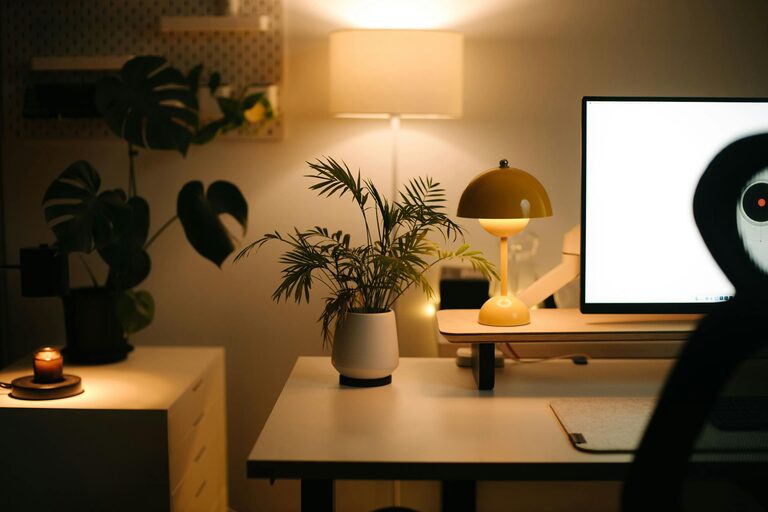
Proper lighting reduces eye strain and prevents fatigue. Natural light is best, but supplement it with quality artificial lighting if needed. Use adjustable desk lamps with warm or neutral tones to create a comfortable atmosphere. Avoid harsh overhead lights or glare on your computer screen.
Personalize Your Space
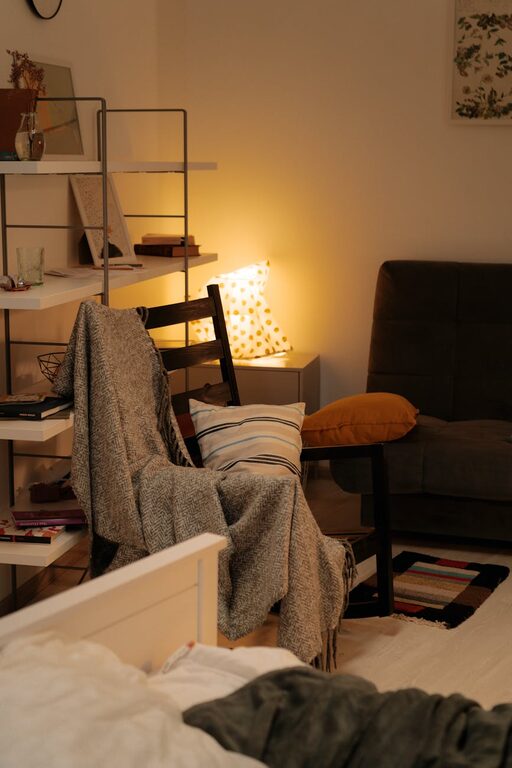
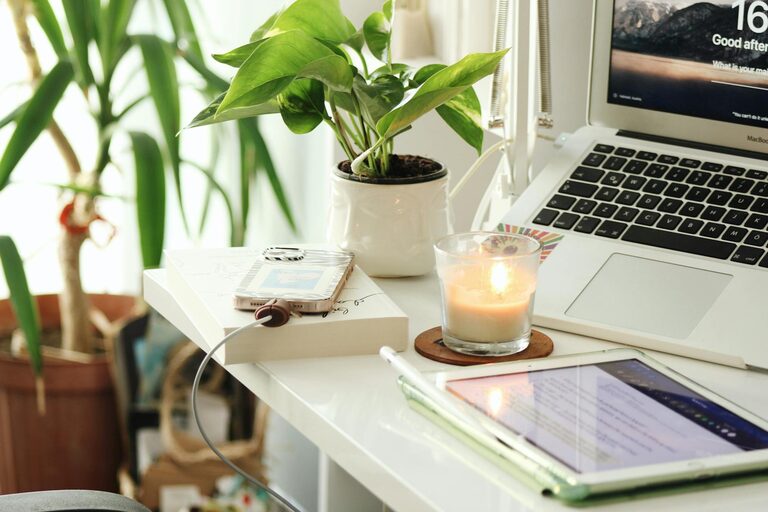
Adding personal touches to your office can make it more inviting and enjoyable. Incorporate items such as plants, artwork, or meaningful photos. These elements not only brighten the space but can also improve mood and creativity. Just be careful not to overdo it; too many decorations can become distracting.
Keep Technology Efficient and Updated
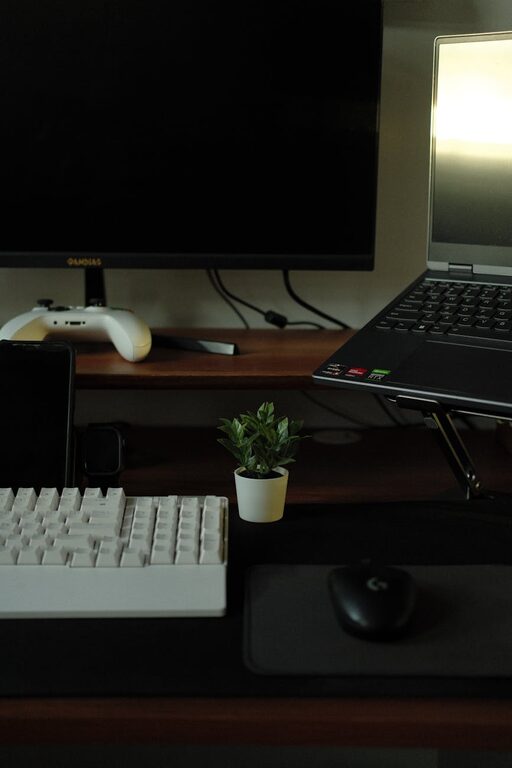
Slow or outdated technology can hamper productivity. Make sure your computer, internet connection, and peripherals like printers and scanners are reliable and fast. Keep software up to date and invest in tools that streamline your workflow. Consider using a second monitor if you often multitask or handle complex projects.
Establish a Routine
Having a consistent work routine helps build focus and discipline. Start and finish work at set times, take regular breaks, and set clear goals for the day. Use techniques like the Pomodoro Technique (working in focused intervals with short breaks) to maintain energy and prevent burnout.
Incorporate Movement and Breaks
Sitting for long periods can negatively affect both health and concentration. Incorporate short breaks to stretch or move around every hour. If possible, create a space for quick exercises or yoga stretches near your office. This helps boost circulation and refresh your mind.
Control Temperature and Air Quality
Comfortable temperature and good air quality contribute significantly to productivity. Ensure your workspace is well-ventilated and maintain a temperature that is neither too hot nor too cold. Adding an air purifier or some indoor plants can improve air circulation and quality.
Use Effective Communication Tools
Working from home often means collaborating remotely. Invest in clear and easy-to-use communication tools such as video conferencing software, messaging apps, and project management platforms. Clear communication helps reduce misunderstandings and keeps projects moving smoothly.
—
By applying these tips, you can transform your home office into a productive and pleasant workspace. Remember that productivity is not just about working harder but also working smarter and creating an environment that supports your best work. Start small, experiment to find what works best for you, and enjoy the benefits of a well-designed home office.