
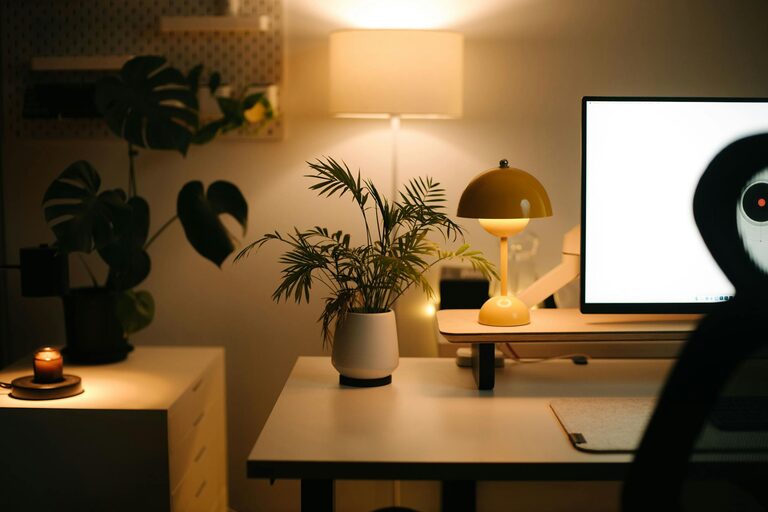
Creating a home workspace that feels cozy and helps you stay productive is essential, especially as more people embrace remote work. A well-designed area can improve focus, reduce stress, and make working from home more enjoyable. Here are some thoughtful tips to help you create a workspace that suits your needs and style.
Choose the Right Location
Finding the ideal spot for your workspace is the first step. Consider these factors:
– Natural Light: Aim to position your desk near a window if possible. Natural light boosts mood and energy.
– Quietness: Pick a space with minimal distractions to maintain concentration.
– Space: Ensure there is enough room for your desk, chair, and any equipment or materials you need.
– Separation: If possible, have your workspace separate from relaxation areas to create a work-only zone.
Invest in Comfortable Furniture
Comfort plays a large role in your ability to focus long-term.
– Ergonomic Chair: Choose a chair that supports your back and encourages good posture.
– Desk Height: Select a desk or adjustable workstation that keeps your arms at a natural angle.
– Footrest: Consider a footrest if your feet don’t comfortably reach the floor.
Organize Your Space
An organized workspace helps reduce stress and improve efficiency.
– Declutter Regularly: Keep only essential items on your desk.
– Storage Solutions: Use shelves, drawers, or containers to neatly store supplies.
– Cable Management: Use clips or sleeves to keep cords tidy and out of the way.
– Minimal Decor: Keep decorations simple to avoid distractions.
Personalize with Cozy Touches
Adding cozy elements can make your workspace welcoming and inspiring.
– Soft Textiles: Include a small throw blanket or cushion on your chair.
– Plants: Adding a few green plants can boost mood and purify the air.
– Warm Lighting: Use desk or floor lamps with warm bulbs instead of harsh fluorescents.
– Art and Photos: Display artwork or photos that motivate you or bring joy.
Use Technology Wisely
The right tech setup supports productivity without clutter or frustration.
– Monitor Setup: Use an external monitor or laptop stand to keep your screen at eye level.
– Keyboard and Mouse: Choose ergonomic tools to minimize strain.
– Headphones: Use noise-cancelling headphones if your environment is noisy.
– Charging Stations: Set up a convenient place to charge devices without tangled cords.
Create a Routine
Having routines helps your brain associate your workspace with productivity.
– Set Work Hours: Define clear start and finish times.
– Take Breaks: Schedule short breaks to stretch and rest your eyes.
– Daily Planning: Keep a planner or digital to-do list nearby to organize tasks.
– End-of-Day Ritual: Tidy up your workspace to signal the end of work time.
Keep Air Quality and Comfort in Mind
Good air quality and temperature improve focus and comfort.
– Ventilation: Open windows regularly or use an air purifier.
– Temperature: Use fans or heaters as needed to maintain a comfortable climate.
– Hydration: Keep a water bottle on your desk to stay hydrated.
Limit Distractions
To maximize focus, create an environment that minimizes interruptions.
– Silence Notifications: Turn off unnecessary phone or computer alerts.
– Separate Work and Leisure: Avoid using your workspace for non-work activities.
– Communicate Boundaries: Let family or housemates know your work schedule.
—
Crafting a home workspace that feels cozy and enhances your productivity is achievable with a few thoughtful changes. By paying attention to location, comfort, organization, and personal touches, you’ll create a space that helps you focus and enjoy your workday. Remember, your workspace should reflect your needs and personality while encouraging your best work habits.