Creating a cozy and productive home workspace is essential for anyone working from home or pursuing personal projects. A well-designed workspace can improve focus, reduce stress, and make daily tasks more enjoyable. Whether you have a dedicated room or a small corner, these tips will help you transform your area into a pleasant and efficient environment.
1. Choose the Right Location
The first step is to identify the best spot in your home for your workspace. Consider the following:
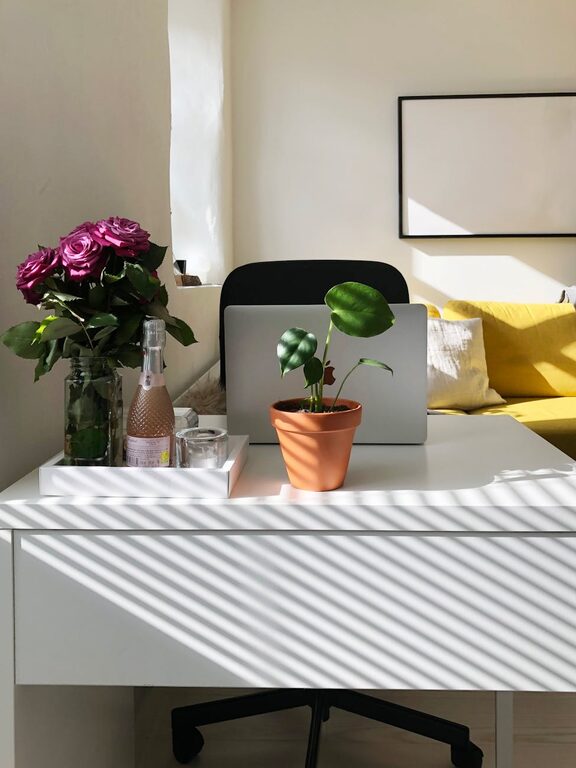
– Natural light: Try to set up near a window to benefit from daylight, which can improve mood and reduce eye strain.
– Quietness: Select a place away from household noise and distractions if possible.
– Space: Ensure there is enough room for your equipment and some extra area for movement.
If space is limited, a corner in the living room or bedroom can work well with the right organization.
2. Invest in Comfortable Furniture
Comfort directly affects productivity and wellbeing. Here’s what to consider:
– Ergonomic chair: Choose a chair that supports your back and encourages good posture.
– Desk height: Your desk should be at a height where your elbows rest comfortably at a 90-degree angle.
– Adjustability: If possible, use adjustable furniture to switch between sitting and standing to reduce fatigue.
Consider cushions or footrests if needed to maximize comfort during long work sessions.
3. Ensure Proper Lighting
Good lighting reduces eye strain and keeps you alert. Here are key points:
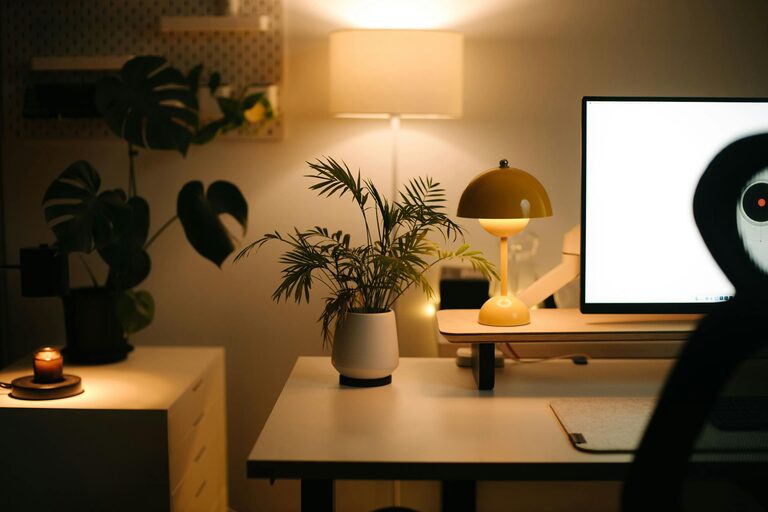
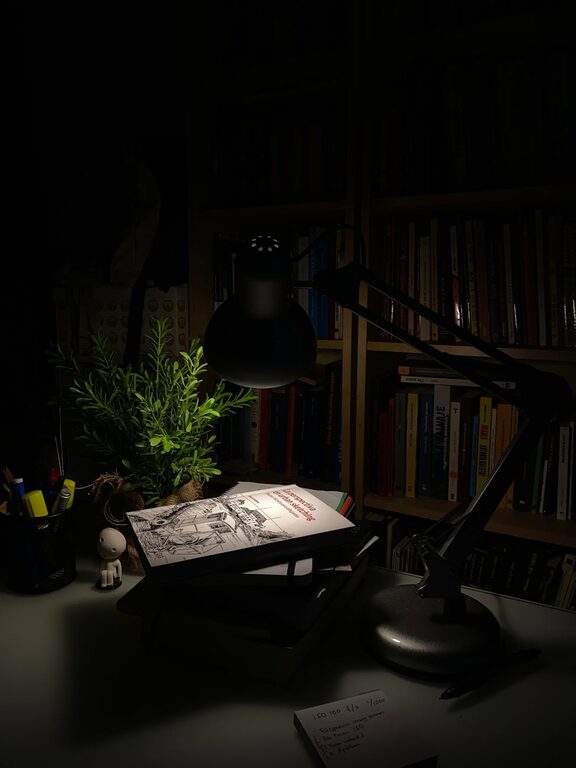
– Natural vs. artificial: Use natural light whenever possible. For cloudy days or evening work, opt for warm, adjustable desk lamps.
– Avoid glare: Position screens and light sources to prevent reflections and glare on monitors.
– Layered lighting: Combining overhead lights with task lighting creates a balanced atmosphere.
4. Organize Your Workspace Efficiently
A clutter-free environment helps maintain focus and productivity. Here are some organizing tips:
– Storage solutions: Use shelves, drawers, or file organizers to keep supplies neat.
– Cable management: Use clips or ties to keep cords tidy and out of the way.
– Minimalism: Keep only essential items on your desk to avoid distractions.
Regularly declutter your space to maintain a clean and inviting setup.
5. Personalize Your Space
Adding personal touches can make your workspace feel more welcoming and motivate you to spend time there.
– Decor: Use plants, artwork, or photos that inspire you.
– Colors: Choose calming or uplifting colors for walls or accessories – blues and greens often work well.
– Comfort items: A cozy blanket, cushion, or scented candles can add warmth.
Balance personalization to keep your space professional yet inviting.
6. Manage Noise and Distractions
Maintaining concentration is easier in a quiet environment. Here are ideas to reduce noise:
– Noise-canceling headphones: Great for blocking out background sounds.
– Soft furnishings: Carpets, curtains, and cushions can help absorb noise.
– Dedicated work hours: Establish clear boundaries with family or roommates to minimize interruptions.
Using background music or white noise can also boost focus for some people.
7. Incorporate Break and Movement Areas
Productivity improves when you take regular breaks and move around.
– Break zone: If space allows, create a small area with a comfortable chair to rest your eyes and mind.
– Stretching: Set reminders to stand up, stretch, or walk briefly every hour.
– Exercise: Consider incorporating light exercises or yoga into your routine to energize your day.
Avoid sitting for prolonged periods by changing your posture frequently.
8. Use Technology Wisely
Technology can enhance productivity when used effectively.
– Reliable internet: Ensure strong and stable internet connectivity.
– Proper equipment: Use a good quality monitor, keyboard, and mouse for comfort.
– Software tools: Utilize calendars, to-do lists, and focus apps to organize tasks efficiently.
Regularly update devices and keep software organized to avoid technical disruptions.
9. Keep Air Quality and Temperature Comfortable
A pleasant environment boosts concentration and health.
– Ventilation: Open windows or use air purifiers to maintain fresh air.
– Temperature: Keep your workspace at a comfortable temperature, ideally between 68-72°F (20-22°C).
– Plants: Indoor plants can improve air quality and create a relaxing environment.
Avoid overly warm or cold spaces that can distract or make you uncomfortable.
10. Establish a Routine
Finally, consistency is key to productivity.
– Set work hours: Define when you start and finish work to create boundaries.
– Daily planning: Plan your tasks and prioritize important activities.
– End-of-day routine: Organize your workspace and prepare for the next day to reduce stress.
A routine helps your mind associate the space with productivity and focus.
—
By following these tips, you can create a home workspace that is both cozy and productive. Remember that personalization and comfort are just as important as efficiency. With the right setup, you’ll find it easier to stay motivated and enjoy your work or projects at home. Happy decorating!